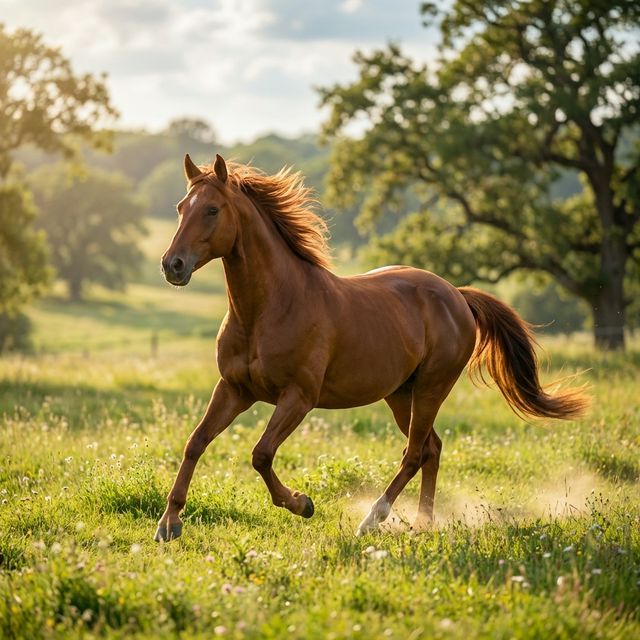
Sweet itch in horses: recognising, understanding and managing it in practice
Sweet itch is a loaded subject for many horse owners. It can come back every season and often requires a combination of good observation, consistent action and timely consultation with a veterinarian.
This article is intended as general information. It does not diagnose or replace veterinary advice. Does your horse have open spots, a lot of discomfort, suddenly different behavior or do you have doubts about what you see? Then contact your vet.
What is sweet itch?
Sweet itch is also called tail and mane eczema, SME or sweet itch. It is associated with a hypersensitivity reaction to bites from small midges from the genus Culicoides.
These insects are especially active in the warmer part of the year. Most activity is often seen around dusk, in windless weather and in humid environments. Not every horse reacts the same: predisposition, environment, coat care, housing and season can all play a role.
How can you recognize it?
In horses, sweet itch is often associated with rubbing at the mane, tail base, withers, neck, belly line or head. Owners sometimes also notice that a horse is more restless when brushing, rubs against objects more often or gets new bald spots.
Pay special attention to changes compared to your horse's normal behavior. A horse that suddenly rubs intensively, damages the tail, gets scabs or develops open patches of skin deserves extra attention. In case of open skin, wetness, swelling, warmth or obvious pain, consultation with a veterinarian is wise.
Why is one horse more sensitive than another?
In the same pasture, one horse can react a lot and the other hardly. That makes it frustrating, but also logical: not only the presence of midges counts, but also the individual sensitivity of the horse and the conditions around the stable and pasture.
Midges usually do not like to fly in a lot of wind. They like sheltered, moist places and organic material. Think of muddy edges, stagnant water, wet vegetation or places where plant remains remain. The design of the environment can therefore make a difference in how much insect pressure a horse experiences.
Practical choices in the daily routine
A good routine starts with observation. Look daily at the mane, base of the tail, belly line and places where harness, blanket or halter make contact. If necessary, note when the horse rubs more: time, weather, pasture, stable, blanket use and brushing moments.
Such notes make patterns visible. Perhaps the horse reacts mainly after dusk, on windless days or on a certain pasture. With that information, you can make more targeted choices in management and care.
Stable and pasture: limiting insect pressure
A lot of management revolves around reducing contact moments with midges. Think of building or putting it in a sheltered place around dusk, opting for more windy meadows where possible, and avoiding wet or muddy edges as a permanent residence.
The immediate surroundings also deserve attention. Clean up organic waste, limit standing water and keep areas around the stable and paddock as clean and dry as possible. These are not guarantees, but they are practical parts of a consistent approach.
Eczema blanket and material
A well-fitting blanket can be part of the management. Pay attention to fit, rubbing, heat build-up and freedom of movement. Check under the blanket daily, especially in hot weather or when the horse moves a lot.
Wash blankets and material according to instructions. Sand, sweat and dried dirt can cause friction. Brushes, halters, girths and other contact materials are also part of the routine: clean material is more pleasant for the skin and makes inspection easier.
Skin and coat care
The following applies to care: calm, clean and consistent. Brush carefully, avoid hard scratching and only use products as the label indicates. Do not simply apply products to open or damaged skin, unless the product is intended for this purpose or your veterinarian advises it.
A wet coat or accumulated sweat can be uncomfortable. Let the skin dry well and keep the mane and tail as clean as possible without excessive washing. Washing too often or too aggressively can actually put extra strain on the skin.
Nutrition and general fitness
A stable base is important for every horse. Think of appropriate roughage, a constant routine and a ration that suits age, work, condition and housing. It is better to make major changes in nutrition or management consciously and gradually.
If you want to assess the ration, consult an expert or veterinarian. Avoid jumping to conclusions based on one product or one change; In sweet itch, several factors usually play a role at the same time.
When do you call in the vet?
Contact a veterinarian when you first see clear skin problems, when the skin is open, when your horse shows a lot of discomfort or when you are unsure whether it is sweet itch. Even in case of recurring problems, it makes sense to make a plan for the season together.
The vet can assess exactly what is going on and whether other causes should be ruled out. This is important, because rubbing and skin problems do not always have the same background.
Common pitfalls
- Only start when the horse has already sanded a lot.
- Just looking at one product instead of the entire environment.
- Using a blanket without checking fit and skin on a daily basis.
- Brushing too hard or using too many different products at the same time.
- Consult too late when skin spots appear open, wet or painful.
A sober season plan
A workable plan doesn't have to be complicated. Choose fixed check-up moments, determine when the horse is in the stable or outside, keep equipment clean, pay attention to grazing conditions and write down changes briefly. A simple routine that you stick to is often more valuable than a complicated approach that disappears after two weeks.
Helmosan approaches this subject from care and information. We do not make medical promises or attribute a product to medical outcomes. If you are worried about your horse, your veterinarian remains the right first step.
Sources and Further Reading
- [Paardenpunt Vlaanderen: Summer eczema](https://www.paarden.vlaanderen/nl/themas/paardenwelzijn-gezondheid-en-verzorging/artikel/zomereczeem-714)
- [De Graafschap Veterinarians: tail and mane eczema](https://www.degraafschapdierenartsen.nl/paard/informatief/staart-en-maneneczeem)
- [NVWA: medical claims animal feed](https://www.nvwa.nl/onderwerpen/diervoeder/claims-op-diervoeders-en-petfood/medische-claims)